Marshal Studios designs and builds 3D animated websites for brands in India, from a founder-led studio in Gurugram. A 3D animated website puts a real three-dimensional scene in the browser and moves it as the visitor scrolls, so people can see a product from every side instead of only reading about it. We build with three.js, WebGL and GSAP, keep every word in ordinary HTML, and give slower phones a lighter version. Pricing is quoted on a call after we understand the project.
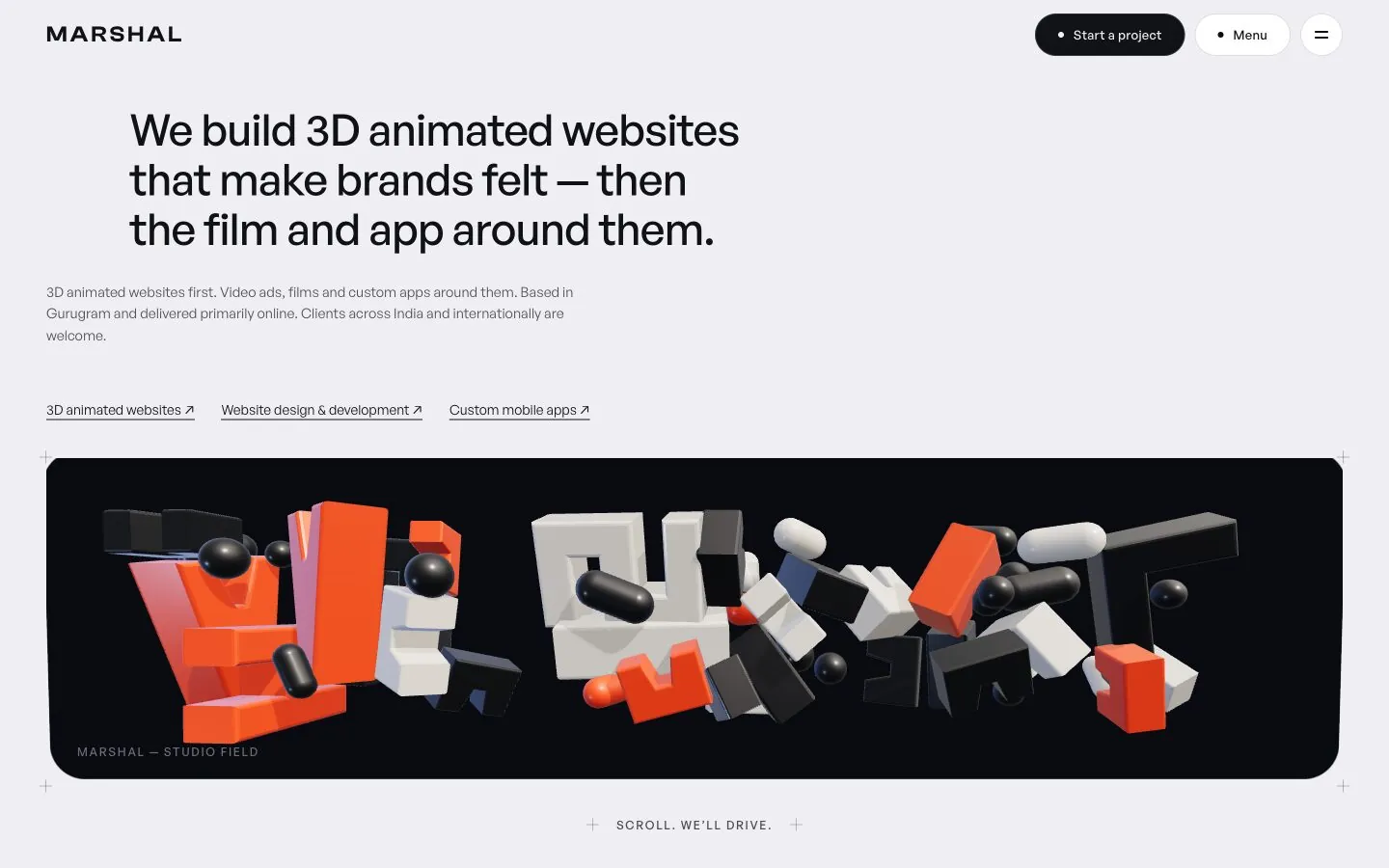
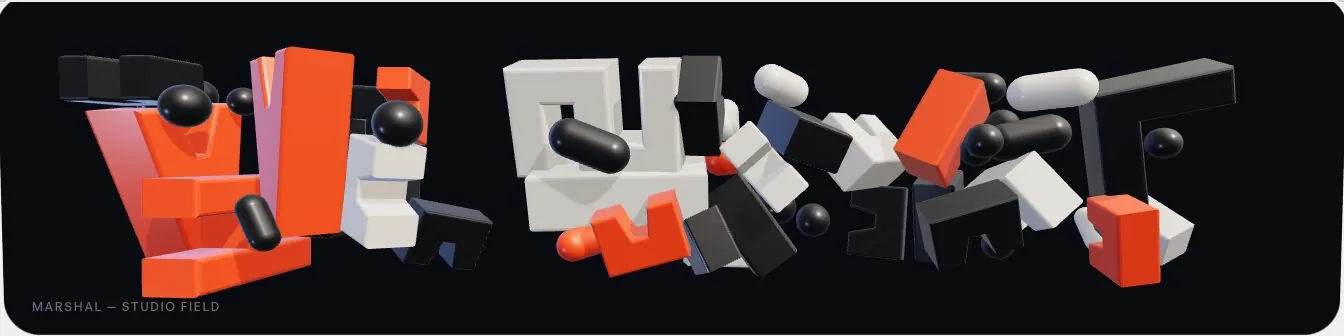
Our own 3D piece, and the only one we can show today: a live three.js scene, with GSAP animating the page around it and every word in ordinary HTML. Open it on a laptop for the live scene, then on a phone for the still-image version.
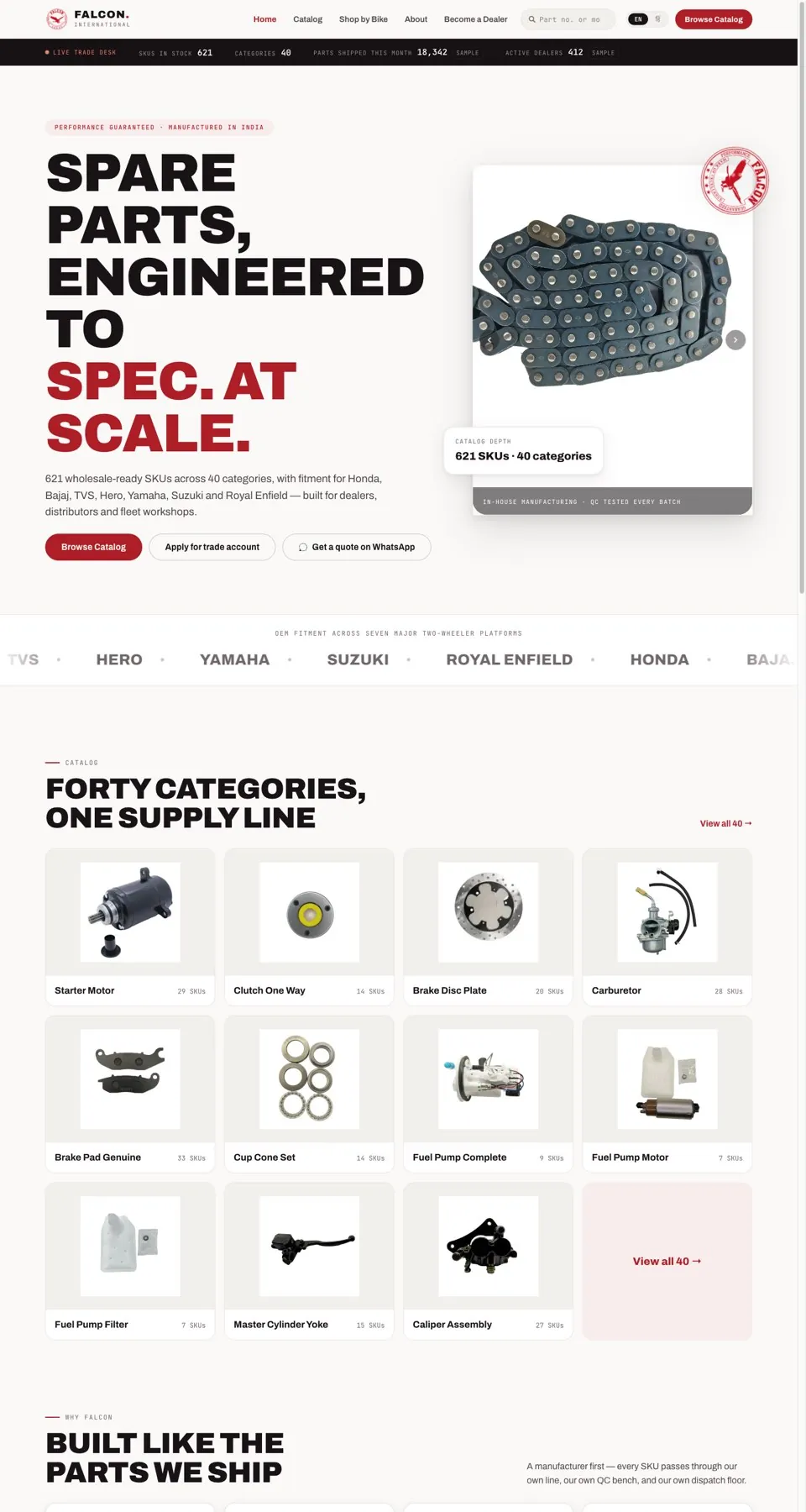
Not a 3D site. A B2B motorcycle-parts catalogue with bike-fitment search and dealer sign-up, built for a manufacturer in our own group. It shows how we build the catalogue and enquiry side of a website.
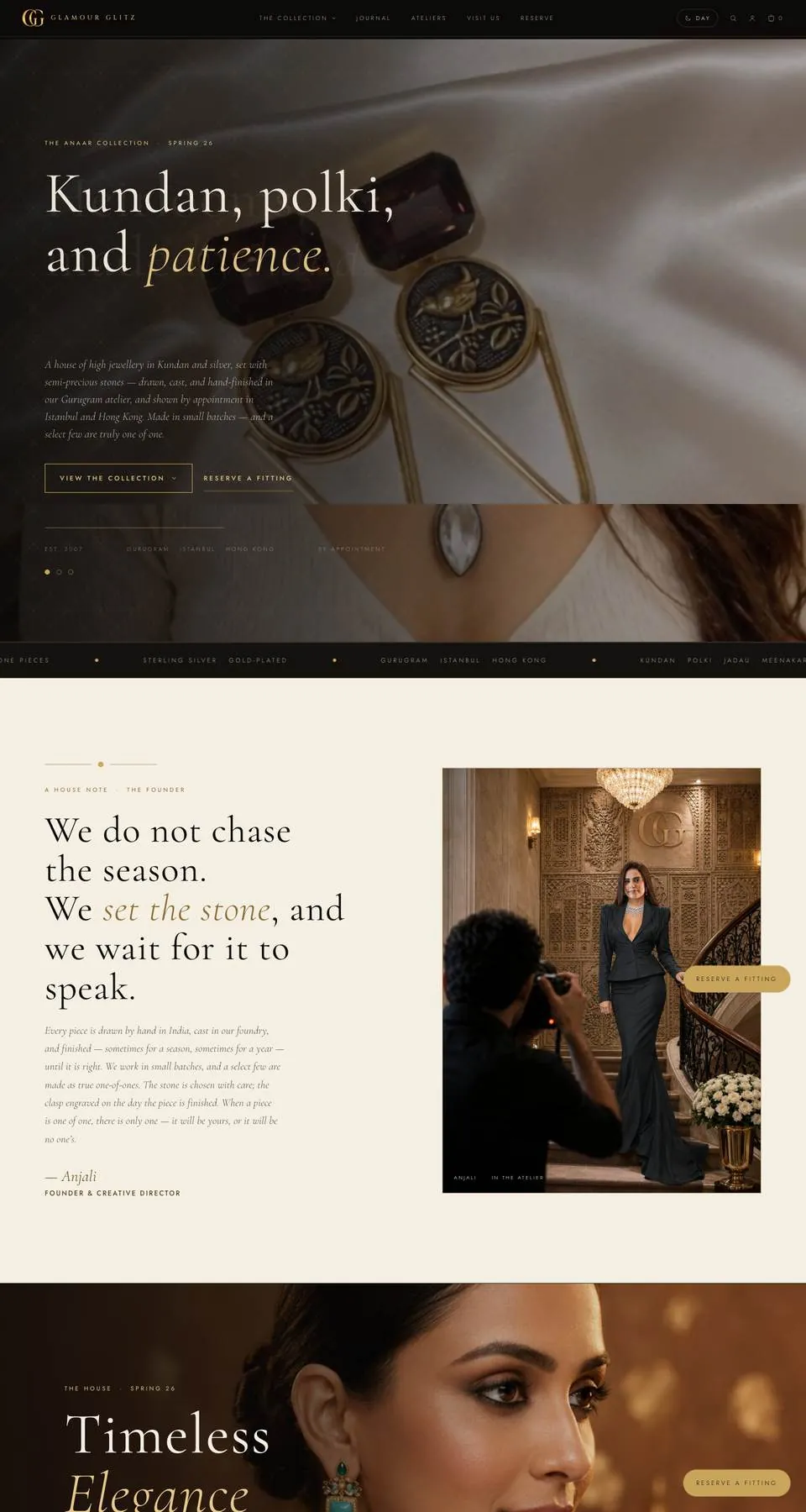
Not a 3D site. A jewellery website with editorial collections, a shop and an appointment request, built for a brand in our own group.
01
What a 3D animated website is
An ordinary website shows photographs and video. A 3D animated website draws three-dimensional objects live in the browser, using a technology called WebGL that current browsers on phones and laptops support. Because the scene is drawn live, it can respond: turn as the visitor scrolls, follow the cursor, or let a buyer rotate a product and change its colour. The usual forms are a 3D scene at the top of the homepage, a story that unfolds on scroll, and a product view the buyer controls. The words, menus and buttons stay ordinary web page elements around the scene.
02
When it is worth it, and when it is not
3D earns its place when it shows something a photograph cannot: how a product looks from every side, how parts fit together, how a finish changes as the light moves, or how a space is laid out. It also suits a launch or a premium brand whose first ten seconds must not look like a template. It is not worth it when the page mainly has to explain a service and take an enquiry, or when there is no time or budget to model the product properly. In those cases we will say so and suggest a fast conventional website or a short product film instead.
03
What we build
Four kinds of work, alone or combined. Hero scenes: a three.js scene at the top of a page, lit and animated to suit the brand. Scroll-driven animation: GSAP ties the scene, the type and the page sections to the scroll position, so the story moves at the visitor’s pace. 3D product views and configurators: the buyer turns and zooms a model and, where the brief needs it, switches colours, finishes or parts. Fallbacks: a lighter scene or a still image for slower phones, and a version without movement for people who have set their device to reduce motion. Everything around the scene is a normal website: pages, navigation, forms, a catalogue or a store.
04
How it stays fast and readable by Google
A 3D scene is drawn as pixels, and search engines do not read pixels. So every headline, paragraph, link and product detail is written as ordinary HTML text that arrives with the page, before any 3D code runs. Google and AI search tools read that text as they would on any website. For speed, the visitor first sees the text and a still image. The 3D code and models load afterwards, and only on devices that can handle them. Models and textures are compressed, and each scene gets a file-size budget agreed before the design is approved. We check Google’s Core Web Vitals on real phones, not only on a fast laptop, and share the measurements with you before launch.
05
How a project runs, step by step
One: a call. You tell us the brand, the product and what the site has to do, and we tell you whether 3D is the right tool. Two: a written scope and quote covering the scenes, the pages, the fallbacks and who supplies what. Three: a concept, with a storyboard of the scroll and reference frames for look and lighting. Four: models. We clean up your CAD files or model from photographs and measurements, and you approve shape, colour and finish. Five: a working prototype of the main scene in the browser, so you can judge the motion on your own phone early. Six: the full build, with text, pages, forms and fallbacks. Seven: testing on real devices, speed checks and search basics. Eight: launch, then handover of files, access and a note on how to change things.
06
What we need from you
The product, in the best form you have: CAD or 3D files if they exist, otherwise clear photographs from every side with measurements, and a sample if the finish matters. Brand assets: logo files, fonts, colours and any guidelines. The words, or the facts for us to write them: product details, claims you can stand behind and how people should contact you. One person who can approve models and designs, because changes to an approved model mean redoing work. And access to your domain and hosting when it is time to launch.
07
How long it takes
We do not publish a standard timeline, because 3D projects differ too much for one number to be honest. Four things decide the time: how many scenes there are, whether usable 3D models already exist or have to be made, how interactive each scene is, and how quickly content and approvals come back. A single hero scene added to an existing site is a much shorter job than a full site with a configurator. The written proposal sets out the stages and the timing, and both are agreed before work starts.
08
Proof you can open yourself
We will be plain about this: the only 3D work we can show you today is our own. The homepage of marshalindia.com opens with a live three.js scene, with GSAP animating the page around it. The headline and all the copy are ordinary HTML text. Open it on a laptop to see the live scene, then on a phone, where a still image replaces it and the content stays the same. For the rest of the craft, look at two live websites we built for businesses in our own group, Falcon International and Glamour Glitz. They are own-group websites, not client work, and neither is a 3D site. They show how we handle catalogues, search, product pages and enquiries.
We do not publish prices. A 3D animated website is quoted on a call after we understand the project, because the cost depends on the number of scenes, where the models come from, how interactive each scene is and how much ordinary website sits around them. After the call you get a written scope and quote, with the 3D work listed separately from the rest of the website.
We do not publish a price. It is quoted on a call after we understand the project: the number of scenes, where the 3D models come from and how much website surrounds them. You get a written scope and quote before work starts.
Will a 3D website be slow on a phone?
It does not have to be. The text and a still image load first, the 3D loads afterwards, and phones that would struggle get a lighter scene or the still image. We test on real phones before launch.
Can Google read a 3D website?
Yes, when it is built properly. Google reads the HTML text of a page, not the 3D scene. We keep every heading, paragraph and link in HTML, so the page reads the same to a search engine whether or not the scene loads.
Do you use three.js, Spline or video?
Mostly three.js, with GSAP for scroll animation, because code gives the most control over loading and fallbacks. If a pre-rendered product video would answer the buyer’s question with less weight, we will recommend that instead.
What 3D work can I see?
Our own homepage hero at marshalindia.com. It is the only 3D piece we can show today, and we would rather say that than pad a portfolio. Falcon International and Glamour Glitz are live, non-3D websites we built for businesses in our own group.
Do you work with brands outside Delhi NCR?
Yes. The studio is in DLF Phase 2, Gurugram, and most projects run online, so we work with brands across India and abroad. Meetings in Delhi NCR are by appointment.
Who will I work with?
Founder Akshat Narang, from the first call through launch.
LET’S MAKE IT
Tell us what you have in mind.
Based in Gurugram (Gurgaon), working with businesses across Delhi NCR, India and abroad. Pricing is quoted on a call after we understand the project.